Kitten Food: What Can You Feed A Baby Cat?


Type your keyword below to find a product or blog post
Mother's Milk: The Elixir of Life For Your Kitten
Benefits of Breast Milk and Cat Milk Replacers for Kittens
Colostrum: The Kitten's First Line of Defence
How Do I Choose a Kitten Milk Replacer or Cat Milk Powder, And What Brands Are Reliable?
When And How to Start Introducing Kitten Food
Types of Food Recommended for Growing Kittens
What Milk Alternatives Are Best for Kittens and Adult Cats, and When Should I Switch to Kitten Formula?
Specific Nutritional Needs of Kittens at Different Stages of Development
How to Choose Quality Food for Kittens
Tiny Paws, Healthy Beginnings
FAQs
Congratulations! You've welcomed an adorable kitten into your home. Now, one of your biggest responsibilities is making sure you give your kitten the best food to ensure they get the nutrition they need to grow up healthy and strong. Kibbles designed for kittens are crucial at this stage of life, and at WHISKAS®, we want to help you understand everything you need to know to feed your little feline.
During the first few weeks of life, mother's milk for kittens is undoubtedly the most important food for cats. It is the perfect source of nutrition and protection that nature has provided them.
However, if your kitten is orphaned or doesn’t have their mother around, the next best thing would be vet-recommended cat milk replacer or kitten milk replacer. It would have all the essential nutrients that a young kitten needs to grow into a healthy adult cat.
Mother's milk is not just food; it's so much more! It's packed with benefits that boost your kitten's development:
Colostrum is the first milk a mother produces after giving birth. It is more special than breast milk because it contains a higher concentration of antibodies. Think of colostrum as the kitten's first natural vaccine, providing crucial protection during its first few days of life. Colostrum is vital for the kitten's survival, as it gives it the immune boost it needs to face the outside world.
Sometimes, for various reasons, the mother cat is unable to nurse her kittens. In these cases, it is essential to intervene and provide a suitable alternative. Don't worry! There are specially formulated kitten milk replacers available. And to find the most reliable brands of kitten milk replacer, your vet would be your best source.
If you need to bottle-feed your kitten, follow these tips:
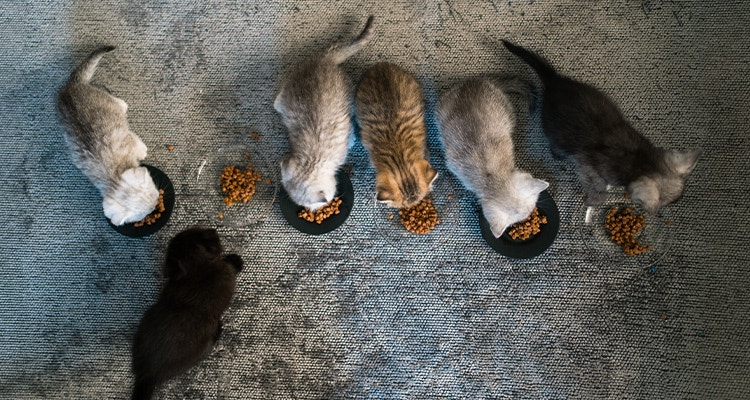
At around 3 or 4 weeks of age, you can start gradually introducing solid foods into your kitten's diet. This is an exciting time, as your little explorer will begin to discover new flavours and textures.
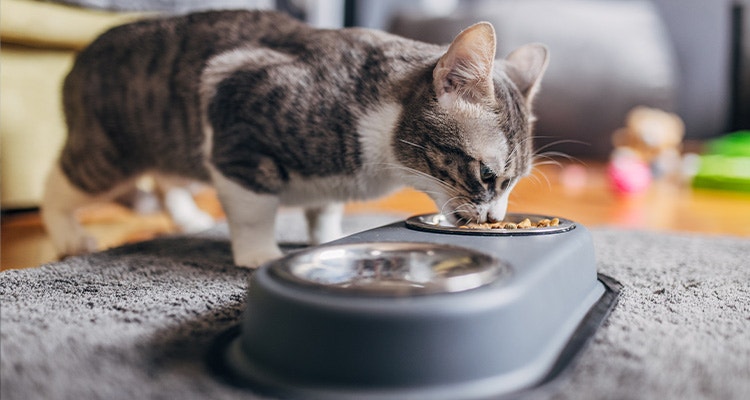
Choose small, easy-to-chew kibble, specially formulated for growing kittens.
Kibbles designed for kittens should be rich in protein, fat, and calories to meet their high energy needs.
Look for foods that are specifically formulated for growing kittens and contain high-quality ingredients.
The transition from mother's milk to kitten food (kibble) should be gradual to avoid digestive problems. At WHISKAS®, we give you a guide on how to do it:
Don’t forget to adjust portions of both gradually to avoid exceeding their daily caloric limit.
The nutritional needs of kittens change as they grow. Younger kittens need more protein and fat to support their rapid growth. Food for growing baby kittens should be adapted to each stage. A balanced diet is essential for healthy growth and optimal development.
Make sure the kitten food contains all the essential nutrients they need, including protein, fat, carbohydrates, vitamins, and minerals.
When choosing kitten food, look for trusted brands like WHISKAS® Kittens, which use high-quality ingredients in their products and are developed by veterinarians and nutritionists.
Read nutrition labels carefully and make sure the food contains an adequate amount of protein, fat, and other essential nutrients.
Kibbles designed for kittens should be the right size for their jaw. Nutrition is fundamental to a kitten's health and well-being. By following these tips and choosing the right food, you can ensure your little feline grows up healthy, strong, and happy.
The right nutrition during your kitten's early months lays the foundation for a healthy and happy life. Choosing high-quality, balanced nutrition helps ensure your kitten gets the protein, vitamins, and minerals they need to thrive. In case of any confusion, talk to your vet, and till then, enjoy every purr and mischief!
Feed your kitten mother's milk or a kitten milk replacer initially, then gradually introduce wet food and kibbles designed for kittens from 3 to 4 weeks of age.