Kitten Feeding Guide: How Much and How Often to Feed


Type your keyword below to find a product or blog post
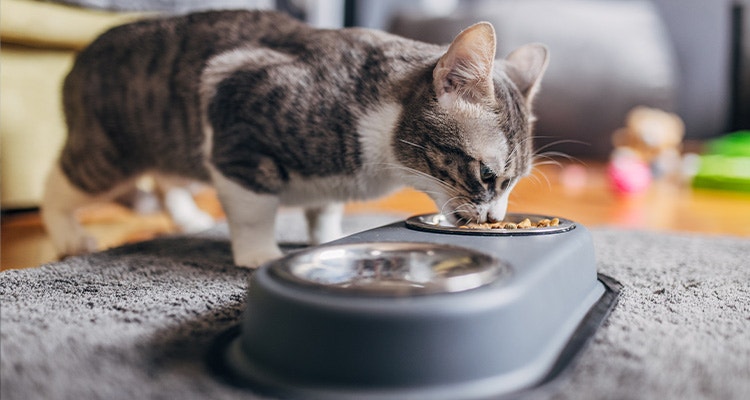
How Often And How Much Should I Feed My Kitten?
Can You Overfeed A Kitten?
What Is The Best Feeding Plan For A Newborn Kitten And How Do I Start Solid Foods Safely?
Can Kittens Eat Dry Food?
Wet Vs. Dry Food: What's Best For Your Kitten?
When To Switch From Kitten To Adult Food?
Monitoring Your Kitten's Weight And Health
Common Feeding Mistakes To Avoid
Conclusion
FAQs
Kittens should be fed small meals frequently throughout the day, though the appropriate portion size will vary depending on their age, weight, and level of activity. Most growing kittens will need 3-4 meals a day when they’re young. In this article, we will answer some common questions kitten owners have around how often they should feed their kittens and how much wet or dry food to give them.
Feeding your kitten the right amount at the right time plays a vital role in supporting their healthy growth and development. Factors like breed, age, size, and energy levels all influence portion size, but every kitten should generally be fed several small meals a day. Keep a keen eye on your kitten’s weight and appetite as they grow, so you can gain a deeper understanding of what sort of feeding schedule they need.
Kittens must be given specially formulated kitten food only for the first 12 months, as adult cat food lacks the nutrients growing kittens need. They should be fed several times throughout the day.
From a kitten’s first few weeks of life up until they reach four months, their metabolism is at its all-time high as they are constantly growing and using larger amounts of nutrients. It’s quite difficult to overfeed your kitten during this time. However, keep in mind that feeding kittens should be done frequently but in small amounts throughout the day, in order not to overload their tiny stomachs.
So, how much should kittens eat? Kittens should eat several small meals daily to keep growing at a healthy pace. Always follow the feeding guide on the packaging and consult your vet to determine how much to feed your kitten. Here’s a general feeding plan for newborn kittens and how to increase portion sizes at different stages of growth.
Age | Wet food (per day) | Dry food (per day) | Feeding frequency |
Newborn upto 4 weeks | Kitten Milk Replacer | - | 6-10 times/day |
4-8 weeks (weaning starts) | 3-4 small meals alongside milk replacer (200g total) | Optional: small amounts | 4-6 meals/day |
8-12 weeks | 250g (split into separate meals) | 20-30g | 4 meals/day |
3-6 months | 250-300g wet food (split into separate meals) | 30-40g | 3-4 meals/day |
6-12 months | 300g wet food (split into separate meals) | 40-50g | 2-3 meals/day |
It’s important to note that this is a general guide; specific feeding advice will vary between manufacturers, so always follow the feeding guide on the pack and consult your vet for more tailored advice and personalised guidance.
Kittens start eating solid food around 4 weeks, beginning a gradual weaning process from mother's milk or kitten milk replacer to soft food, with signs of readiness including chewing and emerging teeth. Just like humans, kittens have two sets of teeth: deciduous teeth (known as baby teeth) and permanent teeth. Their baby teeth start appearing at around 2-3 weeks, with adult teeth coming in from around 4 months and usually fully developed by 6-7 months
Dry food has advantages such as being more convenient to serve, not spoiling as fast as wet food, and helping to provide abrasion on the surface of the teeth to clean the surface by removing some of the plaque. Wet food contains natural moisture and is a healthy addition to dry food as it helps cats to maintain hydration, which is good for their urinary tract health.
From 8 weeks old, it’s recommended that kittens get two-thirds of their daily calories from kitten wet food and one-third from kitten dry food. However, if you prefer to feed your kitten dry food only, always provide fresh drinking water. Dry food or treats can also be used in puzzle feeders placed around the home, adding mental stimulation and tasty rewards into their day!
Both wet and dry kitten foods offer multiple benefits, and understanding these can help you create an ideal feeding routine that works for your cute companion:
Kitten food is specially formulated to support rapid growth, high energy needs, and developmental milestones in their lives. At around 12 months old, it’s time to change your kitten’s food to an adult food that’s designed to meet the nutritional needs of fully grown cats.
This will help to support their long-term wellbeing, as well as manage a stable and healthy weight. But this change shouldn’t happen overnight. Sudden dietary shifts can cause digestive upset for your kitten, so it’s important to start the transition gradually over 7 to 10 days.
It’s important to monitor your cat’s health and weight throughout their life, and this habit is best started while they’re still a kitten. Regular weight checks at home or during vet visits are a great way to ensure your kitten is growing at a healthy pace (and staying within the right weight range for their breed and size). Pay attention to their body condition too: a healthy kitten should have ribs that are easy to feel but not too prominent. They should also have a visible waistline when you look down at them from above.
Routine veterinary check-ups are vital, especially during your kitten’s first year of life. Your vet can track their growth, catch any early health concerns, and offer expert advice on everything from feeding and behaviour to overall care.
Feeding your kitten can be simple, but there are a few common mistakes that are easy to make. Here are some key issues to watch out for:
That being said, feeding your kitten the right amount of food at the right time helps support your lovely pet's overall growth and well-being. Ensure you follow age-appropriate guidelines, provide balanced kitten food, and adjust portions as your kitten grows throughout their life.
The amount of food a kitten should eat in a day depends on a range of factors, including your kitten’s age, weight, and activity level. Most kittens need multiple small meals a day, especially in their early months. Always follow the feeding guidelines on the packaging of your chosen kitten food and consult your vet for a personalized feeding schedule.