How To Take Care Of A Kitten Without A Mother?


Type your keyword below to find a product or blog post
Kitten-proofing The House
First Visit To The Vet
Arriving Home
What You Need To Have At Home To Welcome The Kitten
What Should A Kitten’s Eating Habits Be Like?
How To Take Care Of A Kitten Without A Mother?
Conclusion
FAQs
Have you decided to adopt a kitten (or have you already adopted one)? You should know that your life will change a lot from now on, but for the better. You will get some new responsibilities, and you will have to learn how to take care of cats. You can read all about cats; even then, there will always be surprises. In this article, we’ll help you understand how to take care of a kitten without a mother once you adopt and get them home.
It's important to remember that the safety and care of your kitten should be a priority. So, before you continue reading, place protections on windows, balconies, and other air inlets or outlets that may pose a risk to the kitten's life. Yes, they are explorers from a young age, and you will surely discover new areas of your home you have never noticed before.
It is advisable to take the kitten to the vet before taking it home. This gives you the opportunity to know its state of health. Identify potential problems, give all basic preventive medication, and keep vaccinations up to date. Use this time to ask all the other questions about its health and get eating tips.
Whether you adopted the kitten from a shelter or rescued it from the street, you can ask about illnesses, age, vaccinations, etc. This is standard procedure in this situation and also serves as documentation for the kitten's medical history.
Before you get your cat home, prepare a safe, quiet room where your kitten can adjust and become familiar with everyday household sounds. It can be any room, as long as the doors, windows, and air vents are properly prepared for the new family member. Leave an item of your clothing there so the baby can get used to you, along with some food and toys.
When you feel your cat is ready to explore other rooms, prepare some hiding places for them to take refuge. Cardboard boxes scattered around the house or even a blanket draped over a chair are good options. Make sure it's always a hiding place where you can interact with them.
This adaptation period at home can last up to two weeks.
Here are some things your kitten will need in its new home:
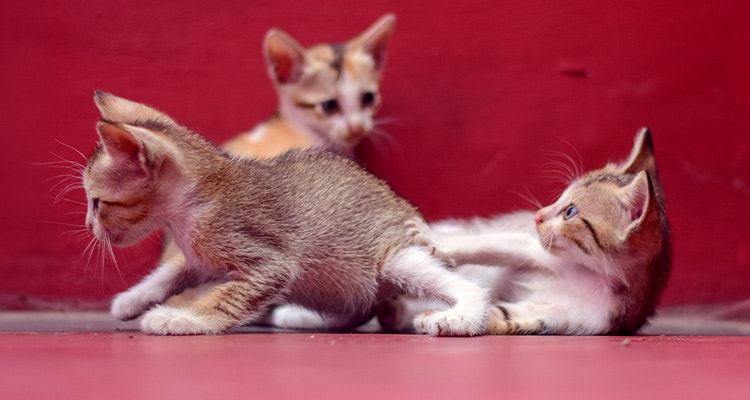
Kittens have a lot of energy to expend. Scatter some toys in the rooms of the house and a scratching post that is one meter high (minimum). If you can, give them more than one choice of toys to scratch; this can save your furniture from a disaster.
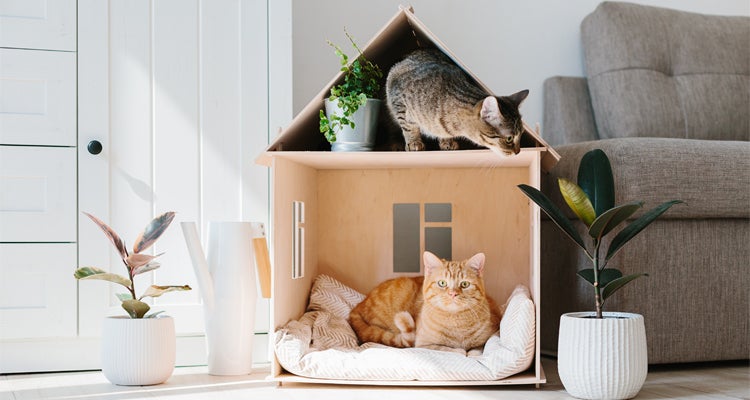
Cats sleep twice as much as humans. Kittens sleep even more. Comfort and safety should be considered when choosing a bed. Ideally, it should be larger than the kitten, with higher sides for protection. It can be pillow-style or cave-like. This way, the cat has both comfort and security while sleeping.
It's an item that should be at the top of your list. The litter box needs to be at least as big as your cat. Also be aware of the different ways to clean the box and how often this will happen throughout the day. Consider this at the time of purchase.
If you live in an apartment (or if you have a shyer kitten), there are locked boxes that give your cat more privacy and prevent the smell from spreading around the house.
Ideally, meals should be divided into small portions throughout the day, spaced 4 to 6 hours apart. Kittens need to eat 4-6 times a day. After the first month, you can alternate between solid and wet food in their daily feeding schedule. This helps regulate the amount of water and nutrients (with the wet food), while dry food can support your kitten’s oral health. If your kitten doesn’t eat well in the first 24 hours, consult a vet to get some tips on how to get your kitten to eat.
A kitten without a mother needs 24/7 support during its first few weeks.
Seek urgent veterinary care if the kitten feels cold, refuses milk, has diarrhoea, becomes unusually quiet, struggles to breathe, or has milk coming from its nose.
Every kitten has its own personality, routine and pace of development. Good care means following a steady routine while noticing when your kitten feels hungry, playful, tired or uncomfortable. Fresh water, suitable food, clean bedding, daily play and a quiet space can help it feel safe and settled.
To care for newborn kittens, keep them warm and feed a suitable kitten milk replacer every two to three hours. Help them urinate and pass stools after each feed, and provide a quiet resting space. Arrange a veterinary check within the first few days, particularly for an orphaned kitten.