Why Do Cats Cough Up Hairballs?


Type your keyword below to find a product or blog post
Why Do Cats Get Hairballs?
Signs Your Cat May Be Dealing With Hairballs
What's the Difference Between a Hairball and Other Cat Vomit or Stomach Issues?
Which Cats Are More Likely To Get Hairballs?
How To Reduce Hairballs In Cats?
When Should You See A Vet?
Conclusion
FAQs
If you've ever watched your cat spend ages grooming, you'll know just how seriously they take keeping clean. Not only does your cat enjoy it, but it’s good for her too. Licking her coat helps keep it in perfect condition and controls parasites. However, this may lead to cat hairballs - the ball of hair that your cat coughs up or vomits. In this blog, we’ll tell you all about hairballs and why cats cough them up, how it is different from other vomiting, and more.
Cats naturally love to groom themselves. Their tongues are covered with tiny hook-like structures that act like combs, helping to remove loose hair from the coat. As your cat grooms, some of this hair is swallowed. Most swallowed hair passes through the digestive system without any problems. However, some fur may remain in the stomach and form a hairball.
When this happens, your cat may cough or vomit the hairball to remove it from the body. Occasional hairballs are a normal part of feline grooming behaviour.
Some signs that your cat may be struggling with hair accumulation include:
While occasional hairballs are generally harmless, persistent symptoms may indicate a more serious issue.
Hairball is simply accumulated hair in a cat’s stomach that they expel by coughing up or vomiting. Sometimes digestive issues can look similar to hairball-related symptoms. Understanding the difference can help you know when to seek veterinary advice.
If you see your kitten vomiting occasionally, but they look bright and alert, there is usually no cause for concern. Cats may occasionally vomit as a natural way of removing unwanted substances or hair from the stomach. However, if the vomiting is combined with your cat looking sick and frail, or if it is more frequent than usual, you must visit a veterinarian.
Diarrhoea may be caused by sudden dietary changes, overfeeding, food sensitivities, or infections. Because diarrhoea can lead to dehydration, it is important to monitor your cat closely and seek veterinary advice if symptoms persist.
If your cat is straining in the litter box or producing fewer bowel movements than usual, constipation may be the cause. Dietary changes, dehydration, and certain medical conditions can contribute to constipation. Veterinary attention is recommended if symptoms persist for more than 48 hours.
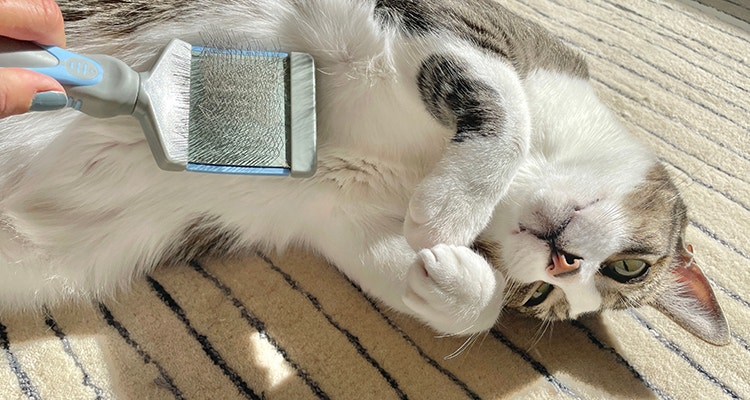
Hairballs are a result of hair getting accumulated in the stomach after grooming. Hence, the cats that are most likely to get hairballs are either cats with longer hair or cats who don’t get proper grooming and care at home. So, if you don’t want your cat to suffer, groom them regularly and ensure that you give them easily digestible food. If symptoms become persistent or are accompanied by appetite loss, ongoing vomiting, or signs of discomfort, it is best to seek advice from your vet.
Although hairballs are common, there are several ways to help reduce their occurrence.
Although occasional hairballs are usually normal, some cases require veterinary attention.
Contact your veterinarian if your cat experiences:
In rare cases, large hairballs can become lodged in the digestive tract and may require treatment.
Hairballs are a normal part of a cat's grooming routine, but frequent hairballs may indicate that your cat needs a little extra support. Regular grooming, proper hydration, stress management, and a balanced diet can help reduce hairball formation and support healthy digestion.
If your cat is coughing up hairballs often or showing signs of discomfort, consult your veterinarian to rule out any underlying health concerns and keep your feline friend feeling their best.
Hairballs typically appear as tubular masses of fur mixed with stomach fluids and are often preceded by coughing or gagging. Other forms of vomiting may contain food, bile, or liquid and can indicate digestive upset or illness.