Reasons Your Cat Might Not be Eating & When to Consult a Vet


Type your keyword below to find a product or blog post
Why Is Your Cat Not Eating?
What Signs Indicate a Kitten Isn't Eating Well or Needs Veterinary Attention?
The Effect of Behavioural and Environmental Changes
Common Medical Causes for Loss of Appetite
Common Loss of Appetite with Age
How Long is Normal for a Cat to Not Eat?
How to Get My Cat to Eat?
When to Consult the Veterinarian?
Conclusion
FAQs
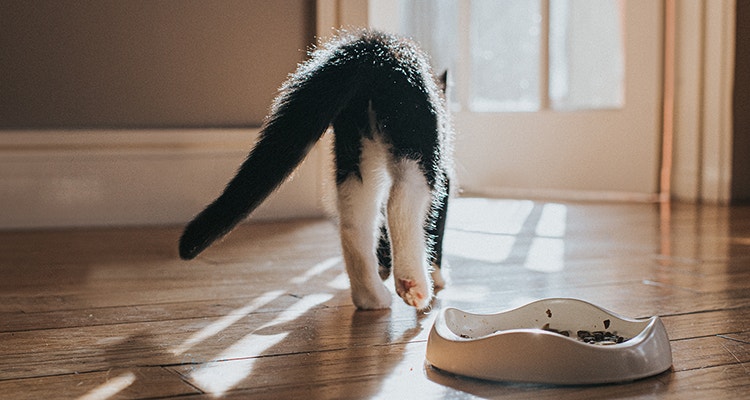
Is your cat not eating much but acting normal? It is always very worrying for owners if they discover their cat is not eating or notice their cat’s appetite has changed. Unfortunately, there can be a multitude of reasons why a cat is not eating, making it difficult to narrow down the root cause. In this article, we will explore the most common reasons why your cat is not eating, how to get your cat to eat, and when to consult a vet.
Generally, cats are a lot more likely to leave food because of how particular or picky they are. However, a cat’s appetite can also be affected by many external factors. Cats can stop eating because of behavioural and environmental changes such as stress or anxiety, introduction of new pets, etc. They can also stop eating due to medical reasons such as dental pain, infections, gut issues, and so on. Ageing can also be a big factor with senior cats experiencing changes to their once ravenous appetites. So, it’s always best to consult your vet to rule out any medical issues before you conclude that your cat is simply not eating because of other reasons.
Kittens need regular nutrition to support their rapid growth and development, probably even more than adult cats. So, changes in eating habits should be monitored closely. If your kitten is eating less than usual, refusing food or suddenly becoming fussy, keep an eye out for other changes in their behaviour or health.
Some signs that may indicate your kitten needs veterinary attention include:
Because kittens can become unwell quickly, it is best not to wait if you are concerned about their appetite or overall wellbeing.
Let's discuss the most common behavioural and environmental changes that may be the cause of your adult cat not eating much.
Cats are sensitive to environmental and routine changes. Stressors like moving home, a new pet or family member, loud noises, neighbourhood conflict, or routine disruption can trigger appetite loss. Identify and remove triggers where possible to help your cat feel calm.
Moving the feeding area or changing the food bowl can make cats uncomfortable. Dietary changes can also cause issues if not made gradually. Maintain a steady mealtime routine and avoid sudden changes.
A new pet can cause territorial stress and competition for food and attention. Be present during mealtimes, praise your cat, ensure food is shared equally, and consider feline pheromone diffusers to ease stress.
Many health concerns can cause appetite loss. Below are the most common issues.
Dental issues such as gingivitis, gum disease, broken teeth, or mouth ulcers can make eating painful. Look for red or swollen gums, head tilting while chewing, drooling, timidity, or bad breath. Switch to soft food and book a vet appointment promptly.
Fur balls, inflammatory bowel disease, pancreatitis, or obstructions can cause nausea and discomfort, often with vomiting, lethargy, or diarrhoea. Book a vet appointment to diagnose and treat the underlying condition.
Common in older cats, chronic kidney disease causes nausea and appetite loss due to toxin buildup. Other symptoms include dehydration, weight loss, and changes to urination. It requires long-term treatment; arrange a vet visit if suspected.
Conditions like hepatic lipidosis or liver failure can affect appetite and worsen over time. Symptoms include weight loss, vomiting, diarrhoea, abdominal swelling, and excessive thirst. A treatment plan and specialised diet can help; consult your vet promptly.
Bacterial, viral, or fungal infections can cause appetite loss, especially in younger and older cats. Look for fever, coughing, runny nose, vomiting, or skin inflammation. Outdoor cats are more prone to bite wound infections.
Respiratory infections affecting smell and taste can reduce interest in food. Symptoms include runny eyes or nose, wheezing, coughing, sneezing, and lethargy. Keep cats indoors, away from other cats, and ensure vaccinations are up to date.
Why is my older cat not eating? It's common for senior cats to eat less, often due to underlying health issues. Arthritis and similar degenerative conditions can cause pain and mobility problems, making it harder to reach food. Your vet can help create a comfort plan, and you can ensure easy access to favourite places.
Cognitive dysfunction (feline dementia) can also affect a cat's interest in and ability to find food, sometimes causing increased vocalisation. Ensure food is accessible and schedule a vet visit to check cognitive function if needed.
Cats can survive around one week without food, provided they drink water, but going even a day without eating can cause serious problems. If your cat hasn't eaten in 24 hours, contact a vet. Early intervention is best.
If your cat has no underlying health issue but is simply being fussy, there are a few things you can try to make mealtimes more appealing.
Ultimately, you mustn’t ignore appetite changes without making sure there are no bigger problems at play! If the lack of appetite remains consistent or if your cat is noticeably losing weight, seek professional advice sooner rather than later. It is vital to remember that diagnosis and treatment of underlying conditions can improve the cat or kitten’s quality of life as well as their appetite. The sooner you diagnose underlying conditions, the better!
You must not ignore a change in your cat’s appetite, as it may have behavioural, environmental, age-related or medical causes. By observing your cat closely, maintaining consistent feeding habits and seeking veterinary advice when concerns persist, you can help identify potential problems early and support your cat’s health and wellbeing.
Ideally, cats shouldn’t go without food or water, in any case. If your cat hasn’t been eating for a while, it’ll be best to contact your vet to rule out any medical concerns.