What Can Cats Taste And How Does It Shape Food Preferences?


Type your keyword below to find a product or blog post
The Science of Feline Taste Buds
What Cats Can and Can't Taste?
Taste Preferences and Dietary Choices
Texture Preferences in Cats
How Do I Choose Between Tuna Vs Chicken Gravy Cat Foods?
Enhancing Your Cat's Dietary Experience
Conclusion
FAQs
Have you ever noticed your cat gets more excited by one flavour of WHISKAS® cat food over another? Just like us, cats have different tastes and moods. So to make mealtimes more enjoyable for both of you, it’s important to learn what they can and can’t enjoy. From savoury flavours to food texture and aroma, several factors can influence what your cat loves. In this article, we’ll explore how a cat’s sense of taste works, the flavours they may prefer, and how to choose food that suits their nutritional needs and individual preferences.
Over time, cats have developed a slightly more modern palate, but their favourite core flavours are still in line with their wild cat ancestors. Let’s delve into a cat’s anatomy and discover the answer to ‘do cats have taste buds?’
Cats have around 470-500 taste buds compared to our 9,000! These tiny receptors are located on the tip and sides of their tongue, and are designed to detect specific flavours that can help them survive, while rejecting the ones that can’t.
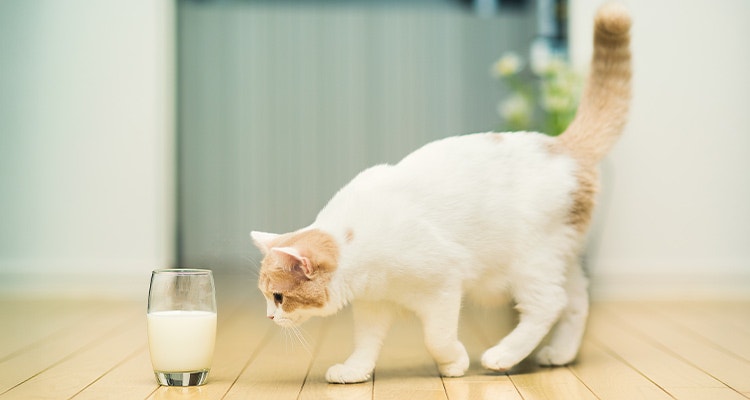
Cats can taste umami, the savoury flavour commonly associated with meat, which may help explain their preferences for meat-based foods. However, cats cannot taste sweetness in the same way humans can.
Additionally, they can also be sensitive to bitter and sour flavours, which can help them avoid toxic substances their ancestors would typically find in the wild. However, taste is only one part of how cats experience food. Smell, texture and temperature can also influence whether your cat enjoys a meal.
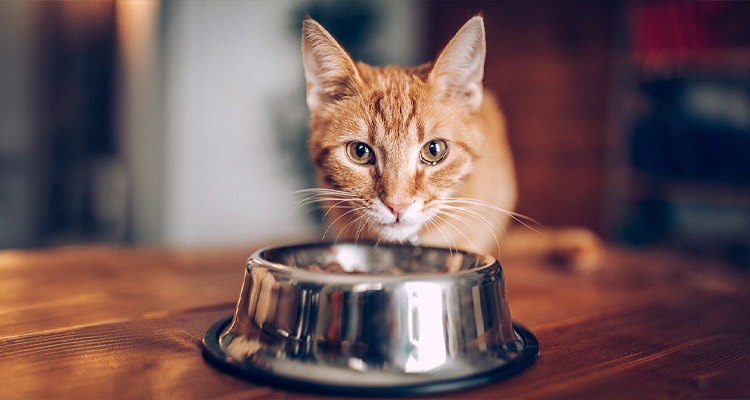
Cats are natural carnivores, meaning they prefer meat-based diets. This is why you'll often find them purring around a cooked chicken or a WHISKAS® wet cat food. So now you know the answer to the question ‘what flavours can cats taste?’ it’s time to consider another important factor: texture.
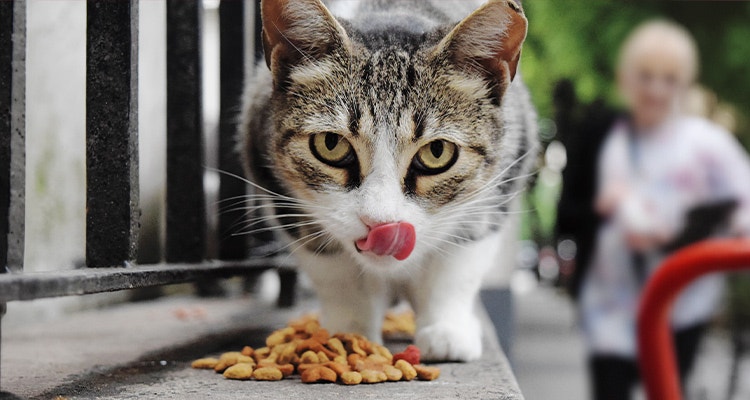
While experts have studied what taste can cats not taste, texture is also important. Some cats may prefer dry food, while others enjoy the aroma and moisture-rich texture of wet food. Offering a variety of suitable flavours and textures can help you discover what your cat enjoys.
Choosing the right cat food is essential for your furry friend’s health and happiness. It’s important to consider both nutritional needs and individual preferences. Some cats may enjoy the taste and aroma of chicken, while others may be more interested in flavours and fish-based food.
When it comes to choosing between tuna vs chicken gravy cat food, the decision can depend a lot on your cat’s individual taste, preferences, dietary needs, and other factors related to their health. Some cats may prefer the stronger aroma and flavour of tuna, while others may enjoy the familiar taste of chicken or meat.
Whichever flavour you choose, ensure to check that the food is appropriate for your cat's life stage and provides complete and balanced nutrition. You should also consider the texture of the food; whether your cat enjoys food in gravy or not.
Always introduce different flavours gradually over a period of 7-10 days. Observe which flavor they prefer. Avoid making sudden changes to their regular diet, especially if your cat has a sensitive stomach, as it can lead to unwanted health conditions. Consult your vet before making any changes to your cat’s existing diet.
Your cat’s dinner is likely their favourite part of the day. To make the most of their food, check the ingredients list to ensure it provides high-quality protein sources along with essential vitamins and minerals; delivering 100% complete and balanced nutrition to keep your cat healthy, active, and thriving.
There are a few factors to consider when choosing the right food for your cat outside of their taste preferences. While some cats are fussy, others may have allergies or sensitivities. Always check with your vet if you're not sure. They’ll be able to explain what flavours cats can taste and how to meet their nutritional needs.
Got a picky eater on your hands? Don't worry, it's more common than you think. It turns out cats rely heavily on smell when deciding what to eat, so a cold meal straight from the fridge often gets left behind.
To bring out those tempting aromas, try warming their wet food slightly before serving. You can set the unopened pouch in a bowl of warm water for two to three minutes, or simply stir in a spoonful of warm water right into their bowl; this naturally enhances its delicious aroma, while giving them a little extra hydration too. Just make sure the food is comfortable to the touch, not hot. Alternatively, explore the different flavours in the WHISKAS® wet cat food range to find the texture and taste they love best.
Every cat is unique in terms of their preferences, food taste, and behaviour. So, finding the right flavour and texture may take a little trial and error. Make sure to keep experimenting with different foods to see what makes your cat purr the most and offers balanced nutrition. After all, a happy cat means a happy home!
No, cats cannot taste sweetness the same way humans do. Their sense of taste is better suited to detecting flavours that are more relevant to their natural dietary needs, such as savoury flavours.